
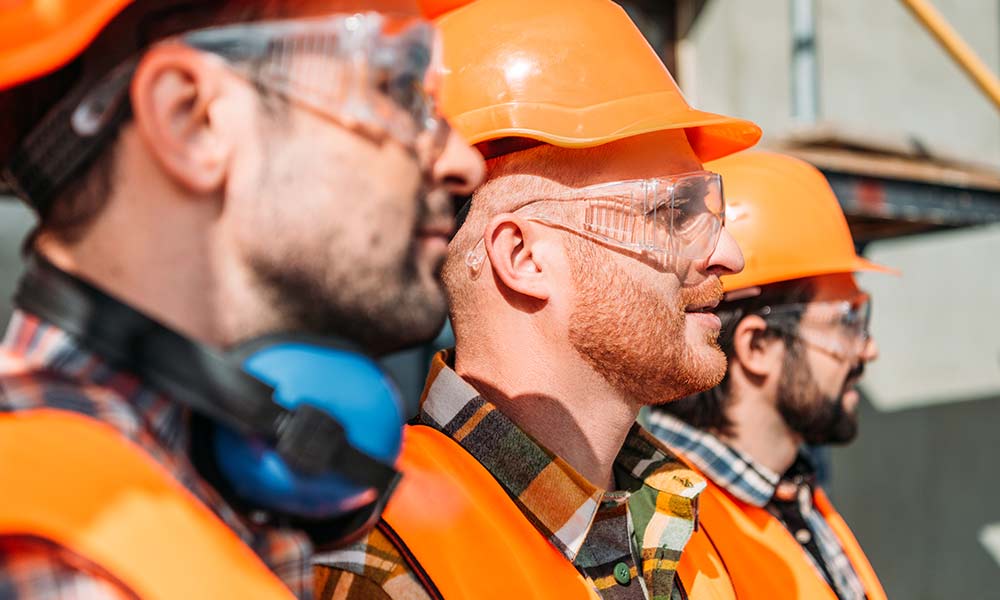
When it comes to keeping workplaces safe, few roles are as vital—or as trusted—as the Health and Safety Representative, often known simply as the HSR. These individuals work at the intersection of management and employees, making sure that safety is a daily shared priority rather than merely a box to be checked.
HSRs are now the silent defenders of safer, healthier, and more effective workplaces in Australia, where workplace safety is taken very seriously. However, what do they actually do, why are they so crucial, and how can organisations ensure that their HSRs have the resources and training they need to perform their jobs well? Let’s unpack it.
What is a Health and Safety Representative?
A Health and Safety Representative is an elected employee who speaks on behalf of their colleagues about health and safety matters. Their job isn’t to enforce rules or discipline anyone, they’re there to represent workers’ interests, raise concerns, and work collaboratively with management to prevent injuries and illness on the job.
Consider them the link between employees and decision-makers. They keep an eye on the situation on the ground, pay attention to the worries of the employees, and constructively bring those concerns to the table. This two-way communication guarantees that everyone has a voice in maintaining workplace safety and aids in the early detection of possible hazards.
Why Trusted Voices Matter
Trust is a major factor in the effectiveness of HSRs. When employees can talk to someone who understands their job and experiences, they are much more likely to ask questions, report problems, or suggest improvements. An HSR truly cares about their peers’ well-being, speaks the same language, and is familiar with the surroundings.
A strong feedback loop is produced by that trust. Employee engagement increases when they feel heard. They take safety more seriously when they’re involved. Additionally, the workplace becomes more productive and efficient when everyone is focused on safety.
The Legal Backbone
Under Australia’s Work Health and Safety (WHS) Act, HSRs have clearly defined powers and responsibilities. They can inspect the workplace, review risk assessments, investigate complaints, and even direct unsafe work to stop in certain circumstances.
Although the law grants them authority, management’s support and appropriate training are what really make them effective. A skilled HSR is able to communicate, mediate, and influence outcomes in addition to understanding the legal framework.
Why Proper Training Makes All the Difference
Being elected as a Health and Safety Representative is a big responsibility. It’s not enough to have good intentions; HSRs need the right skills and confidence to navigate regulations, talk to management, and keep their peers informed. That’s where Health and Safety Representative Training comes in.
The training helps new representatives understand their powers, the WHS Act, and how to identify and manage workplace hazards. It also builds essential soft skills—like communication and negotiation that help HSRs have productive conversations with all levels of the organisation.
This training is not only advantageous but also necessary in Western Australia. Nowadays, a lot of employers understand that having HSRs with proper training is essential to lowering incidents, upholding compliance, and creating a welcoming safety culture.
Building a Culture of Collaboration
A strong safety culture isn’t about fear of fines or paperwork. It’s about collaboration. When management respects the role of the HSR and actively involves them in decision-making, everyone wins.
Good organisations see HSRs as partners rather than critics. They invite them to safety meetings, encourage open discussion, and act on feedback. This sends a clear message: safety isn’t a top-down directive; it’s a shared responsibility.
When that message filters through the team, something powerful happens—workers start looking out for one another. Reporting hazards becomes second nature, and instead of waiting for accidents to happen, people start preventing them. That’s the real magic of having trusted voices at work.
The Ongoing Journey of Safety Leadership
Even the most experienced HSRs benefit from ongoing development. Laws and standards evolve, new risks emerge, and industries change. Regular refresher courses and advanced safety programs keep HSRs up to date and confident in their role.
Work Health and Safety Courses in Perth are an excellent starting point for individuals in Western Australia who wish to improve their workplace safety framework. These courses go beyond the fundamentals, assisting employers and HSRs in being proactive and knowledgeable about safety risk management.
It’s not just about ticking compliance boxes—it’s about investing in people who care deeply about their coworkers’ wellbeing.
The Trainwest Approach
At Trainwest, we’ve seen firsthand how empowering Health and Safety Representatives transforms workplaces. Our trainers bring real-world industry experience, helping participants connect theory with practice. We focus on creating confident, capable HSRs who can make a real impact from day one.
The interactive, conversational sessions are intended for those who wish to share their stories, ask questions, and leave feeling inspired to take action. Trainwest supports each stage of the process, whether it’s learning how to manage risks, improve communication, or affect positive change.